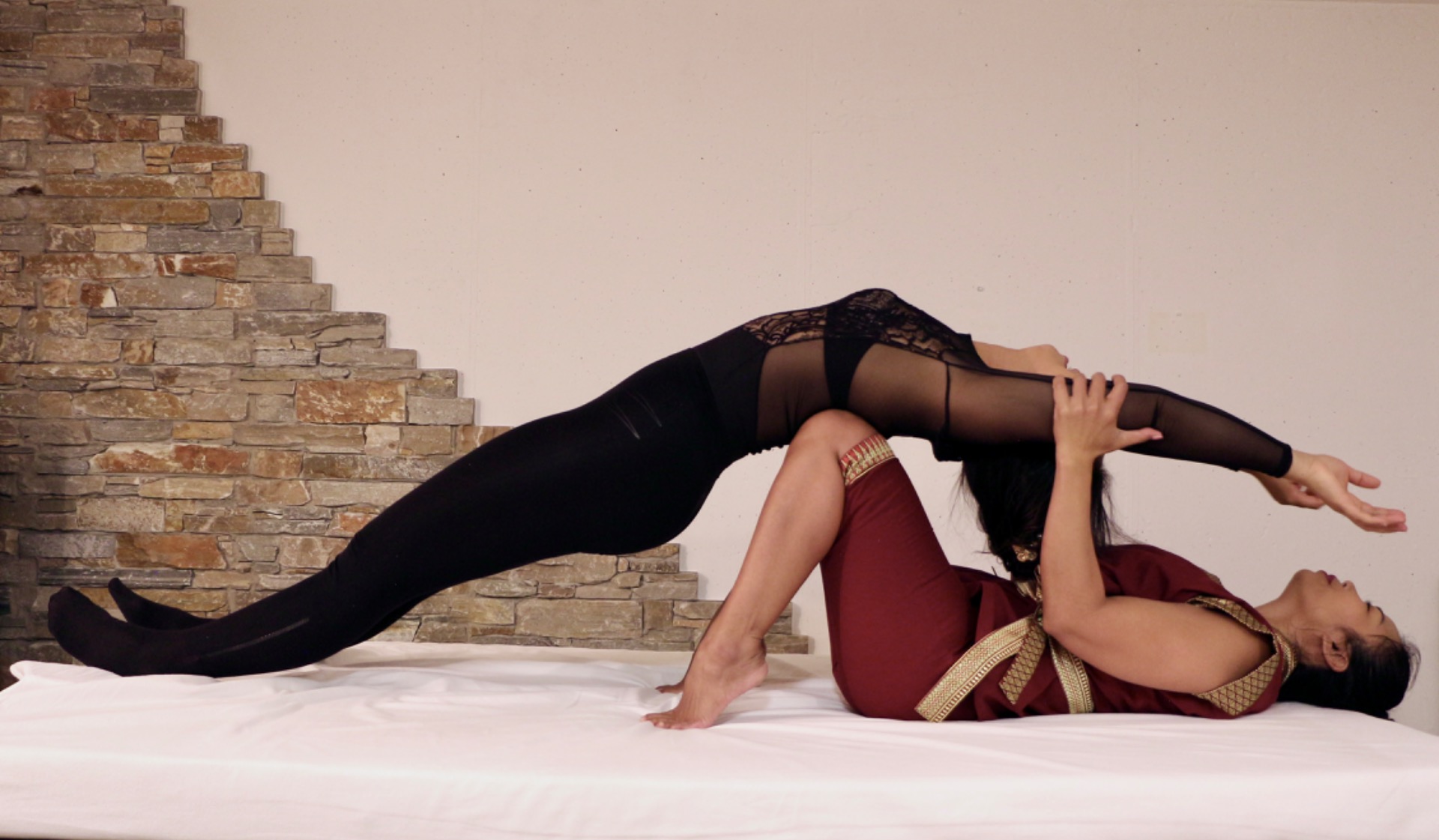
The Art of Thai Traditional Massage
Recognized as a treasured part of Thailand's cultural heritage, Nuad Thai (Thai Traditional Massage) was officially inscribed by UNESCO on the Representative List of the Intangible Cultural Heritage of Humanity on December 12, 2019, during the 14th session of the UNESCO Intergovernmental Committee for the Safeguarding of the Intangible Cultural Heritage in Bogotá, Colombia.
Thai Traditional Massage is internationally recognized for its unique combination of ancient wisdom, traditional Thai healing practices, and the art of relaxation. It incorporates techniques that may help relieve muscular tension and everyday aches, support physical balance and mobility, and promote a deep sense of relaxation and well-being.
Today, Thai Traditional Massage is enjoyed in spas and wellness centers around the world.
"Beyond its physical benefits, Thai Traditional Massage reflects an important aspect of Thai culture — a tradition of caring rooted in mutual respect."
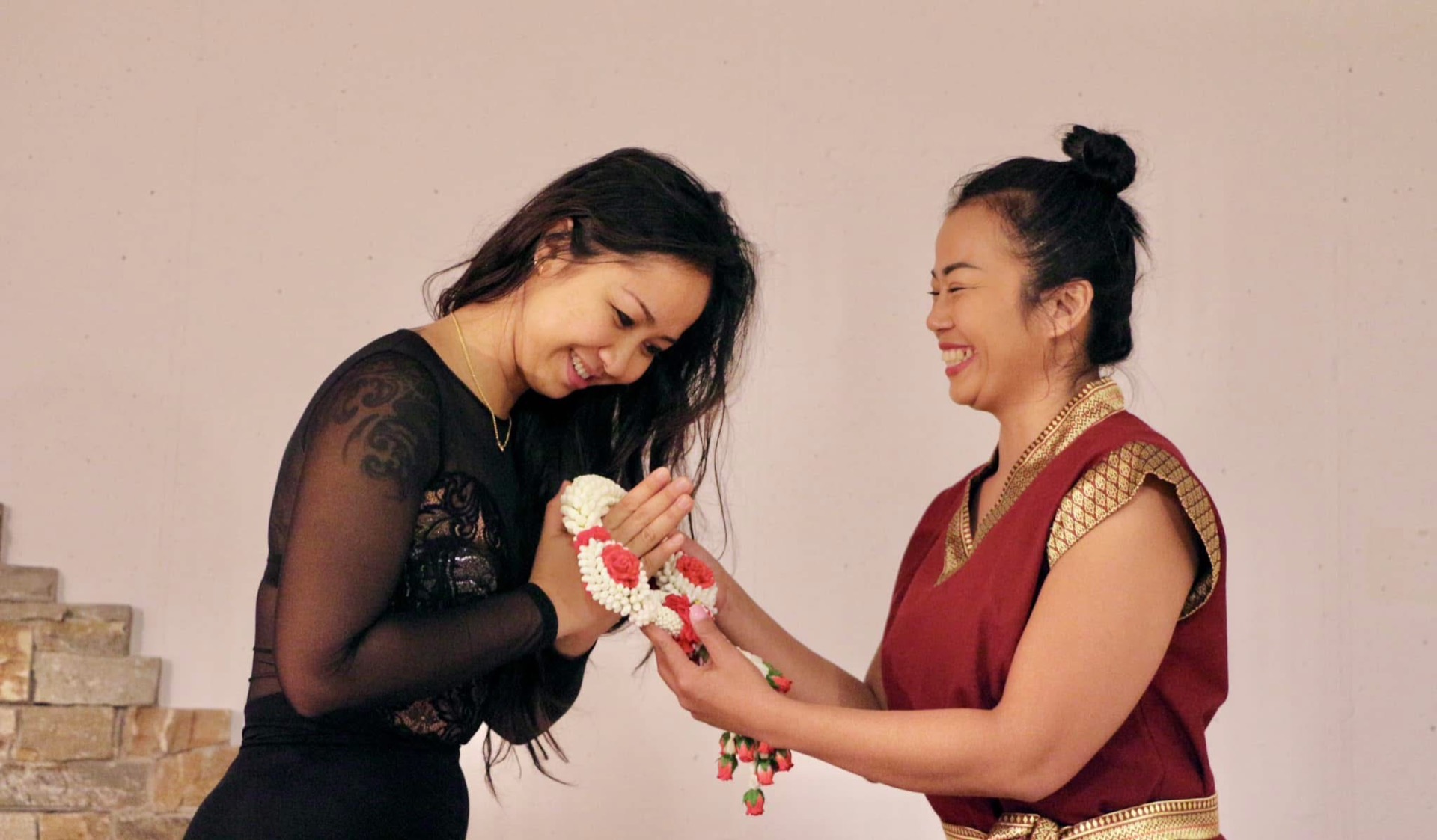
Blend in with Nature
Sati. Sangob. Sabai. Three words, one breath apart — awareness, peace, ease. They are not states to arrive at but a way of moving through the world, the way water moves through a forest: never forcing a path, only finding one.
To blend in with nature is not to disappear into it, but to stop resisting the rhythm that was always there — the slow expansion and contraction of a body breathing, a season turning, a river choosing its bend without deliberation. Sati is the noticing of that rhythm. Sangob is what settles once you stop arguing with it. Sabai is what remains when the argument was never necessary in the first place.
Yupa Jiamsranoi's hands carry something of the same principle. Years of Thai massage tradition, refined further through Swedish technique and ergonomic body-work, distilled into a practice that isn't really about applying pressure — it's about listening to where a body is holding its resistance, and helping it remember how to let go. Her championships and certifications are proof of skill, but the deeper craft is older than any medal: it's the same one nature practices on stone, on wood, on the shape of a coastline — patient, unforced, exact.
Maybe that's the real meeting point. Blending in with nature isn't passive. It takes the same quiet attention that a skilled hand brings to a tense shoulder — knowing exactly how much to give, and when to simply wait. Sati notices the tension. Sangob doesn't fight it. Sabai is the ease that follows once it's finally been met, not conquered.
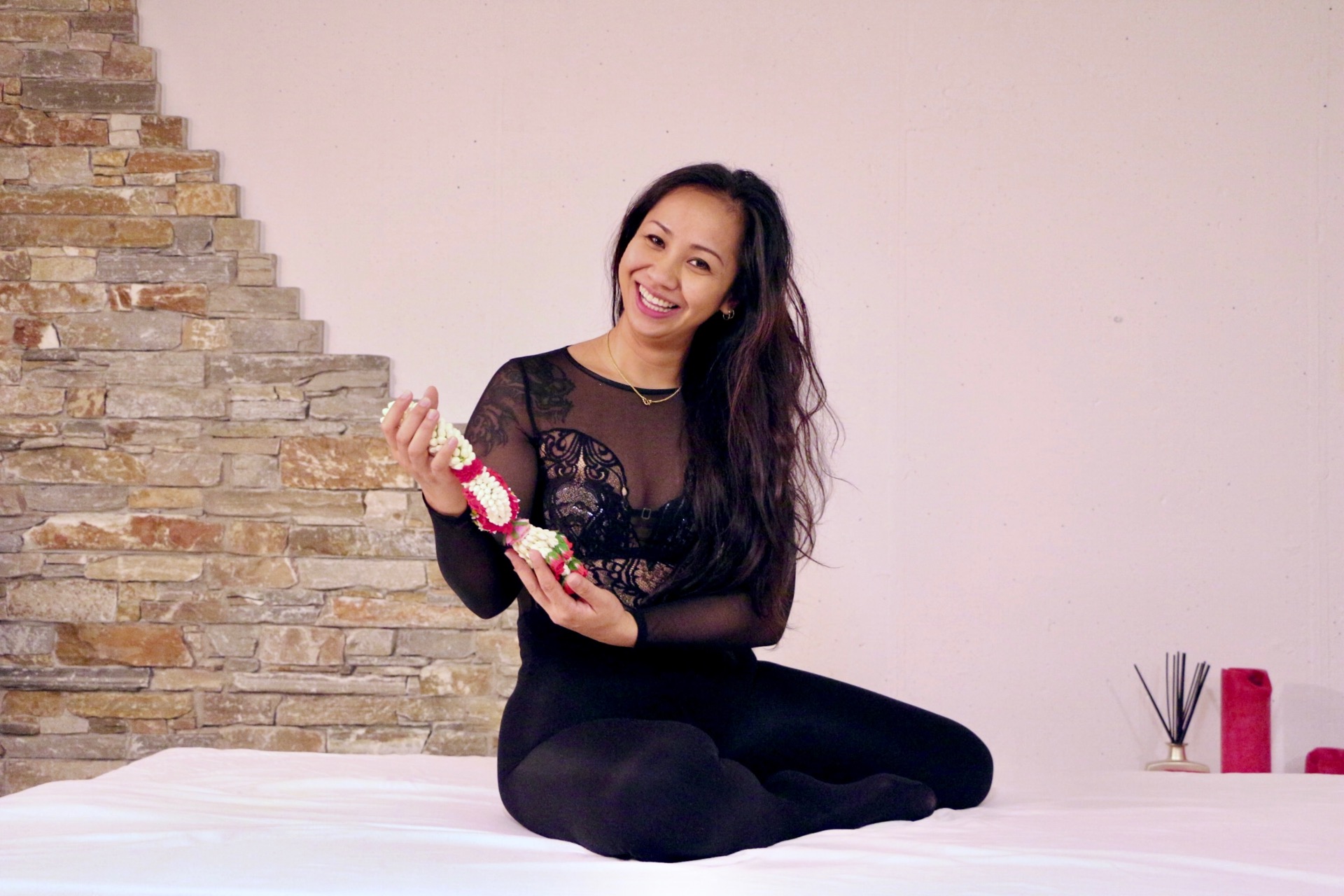
When East Meets West: Sen Pra Than Sib and the "Rest-and-Digest" Mechanism
Traditional Thai massage is far more than just physical relief; it is a holistic therapy that works intimately with the "Sen Pra Than Sib"—the ten primary energy pathways through which the vital life force (Lom) flows. When these pathways become blocked, it manifests as physical tension, illness, or emotional imbalance. By applying rhythmic pressure, opening energy gates, and incorporating mindful stretching, Thai massage dissolves these blockages and restores the natural flow of energy. This Eastern concept of balancing the body and mind aligns beautifully with Western medical science, specifically the function of the Autonomic Nervous System. In today's fast-paced world, many people constantly live under the dominance of the Sympathetic Nervous System, also known as the "Fight-or-Flight" mode. This chronic stress leads to elevated heart rates, muscle tension, and anxiety. When the body experiences the rhythmic, firm, yet gentle touch of traditional Thai massage, sensory signals travel through the skin and muscles to inform the brain that it is safe to relax. This shift deactivates the stress response and triggers the Parasympathetic Nervous System, shifting the body into the "Rest-and-Digest" mode. The Holistic Benefits of This Integration:
- Reduced Heart Rate and Blood Pressure: As the parasympathetic system takes over, cortisol (stress hormone) levels drop, while the production of feel-good hormones like endorphins and serotonin increases.
- Muscle and Tissue Regeneration: Massaging along the Sen pathways enhances blood circulation, delivering fresh oxygen and nutrients to tissues while flushing out accumulated metabolic waste.
- Mental Clarity and Balance: The synchronized rhythm of pressure and breathing anchors a scattered mind to the present moment, promoting deep mental stillness and inner peace.